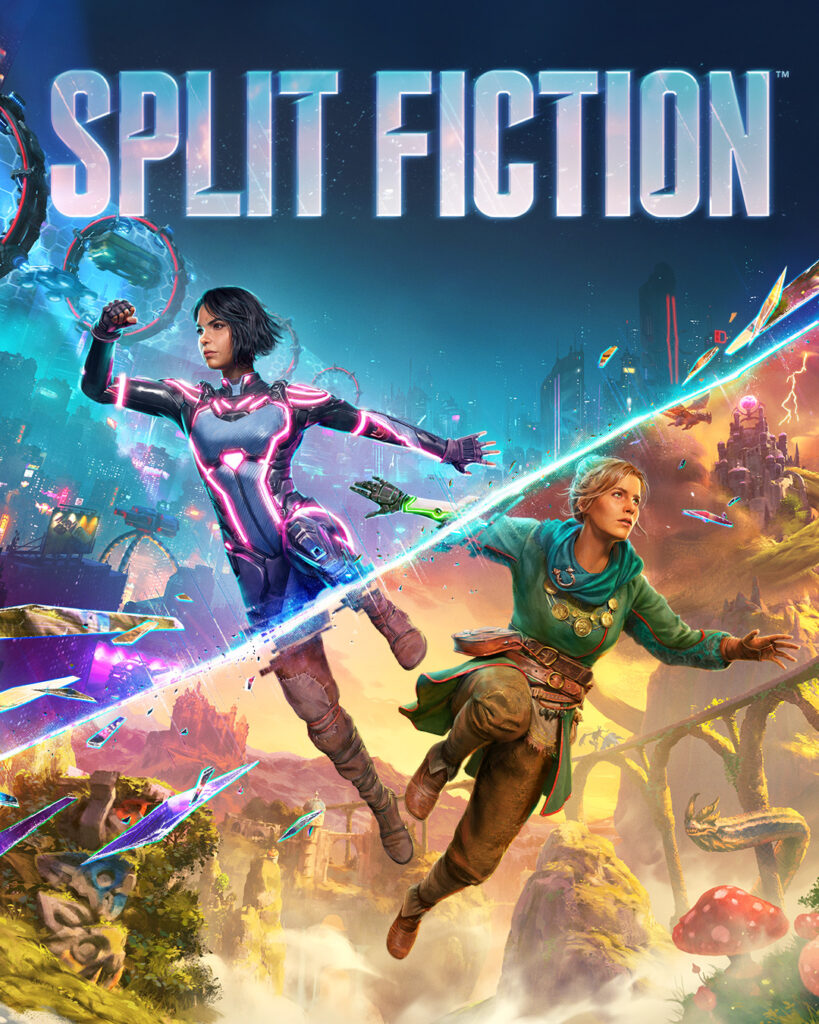
The idea of playing a fun new co-op game with a partner is easy to romanticize, but the reality is that playing co-op games as a couple isn’t always a fairytale. It tests your communication, patience, and trust with your partner. With Hazelight’s newest co-op game, Split Fiction, my partner and I wanted to see exactly what makes a co-op game actually work, and where it falls apart.
Split Fiction continues Hazelight’s tradition of creating a story-driven cooperative game where communication isn’t simply helpful, it’s absolutely essential to the completion of the game. Unlike traditional multiplayer games where, more often than not, one player could do a majority of the work or even play solo, Split Fiction is built entirely around two-player split screen gameplay. Just like its predecessor, It Takes Two, Split Fiction is quite literally, impossible to play alone. You have to play with someone else, whether that’s a partner or a friend. One of the first games my partner and I ever played and beat together was It Takes Two and we loved it, so when Split Fiction was released, we knew we had to jump right into it together.
What It’s Like to Play
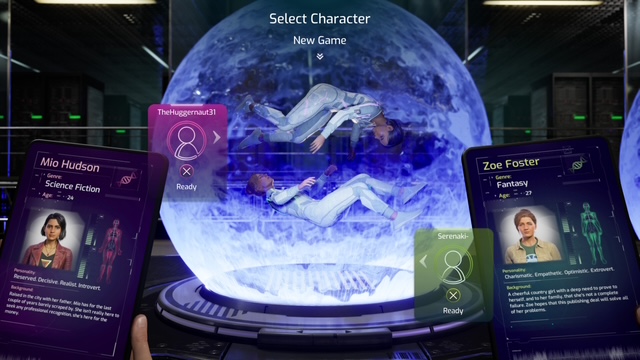
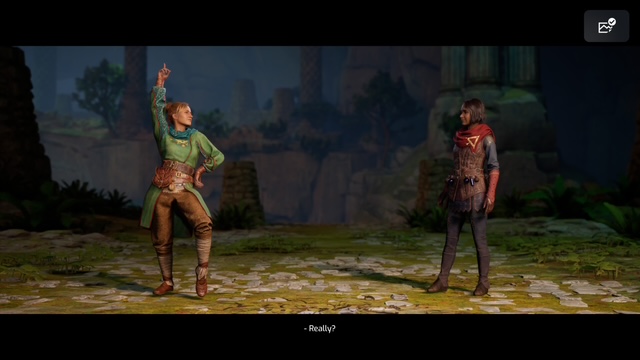
The game throws you into the shoes of two struggling writers, Mio and Zoe, who are hoping to secure a juicy publishing deal. Mio, who specializes in writing science fiction, and Zoe whose specialty is writing fantasy, become trapped in a simulation together that merges their respective written stories and creates a unique dynamic where they alternate going through each other’s stories while trying to find glitches to help them escape the simulation. The narrative is weird in the best ways possible, with twists and turns, metaphors, and storylines that occasionally can hit a little too close to home.
Mechanically speaking, Split Fiction builds on the formula from previous titles. Two players, two perspectives, and a constantly changing and evolving world of puzzles, platforming, quick-time events, and mini games – all of which require calculated teamwork. What stood out to me the most is how smooth the transitions between mechanics are and how much trust one must place in their partner. There were moments where one of us had to blindly jump across huge gaps or launch ourselves toward a forcefield barrier, solely relying on each other to time special platforms and electric grenades. There were puzzles where only one of us could see the solution, forcing us to use verbal cues and detailed communication to make it the other side. It might not sound too difficult in theory, but the game is fast-paced, and everything is expertly timed to make coordination an absolute necessity.
Communication Is Key
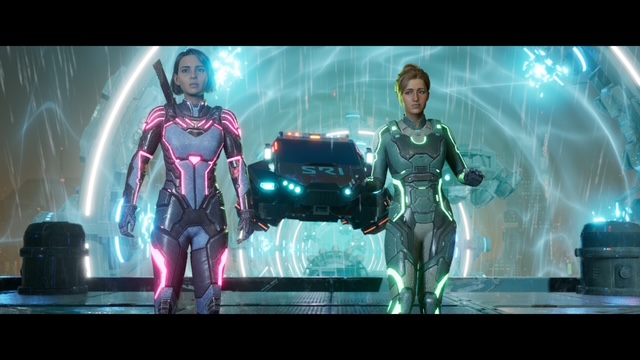
One of the major themes of the game is simple understanding and communication. While Split Fiction isn’t nearly as much of a therapy simulator as It Takes Two was, there’s still something quite raw and intimate about the way in which you must solve problems, work together, and move through the game almost as one person. While the game may be fictional, the emotions and frustration that can come from playing is very real. Even for my partner and I, as a couple who does generally work very well together and communicate effectively, the game can still be frustrating at times. I think my most said phrase while playing is, “Sorry, I panicked.” Despite any frustration to be had, the feeling of truly working as a team is extremely satisfying and those feelings of being a team lingered long after the controllers were put away.
If you and your go-to duo are already great at working together as a team, then I definitely think Split Fiction will be a fun challenge for you. If perhaps you struggle to coordinate things or communicate effectively with your duo, it will most certainly be a difficult challenge, but you might just learn something about yourself and how to work as a team in the process. While the game is all about working together, it also doesn’t punish you heavily for failing. There are no experience points or currency, the checkpoints are extremely forgiving, and despite the pacing being pretty quick, it does still give you room to breathe in between large segments of story.
Game Design, Visuals, and Vibes
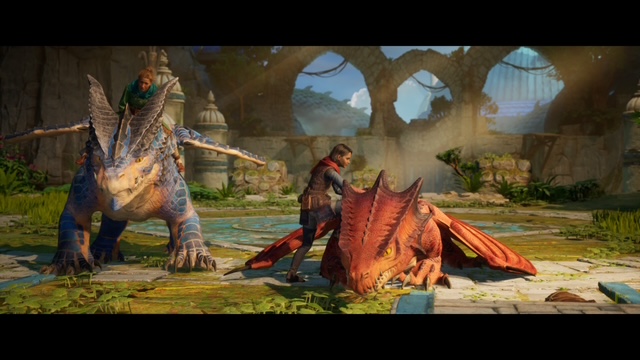
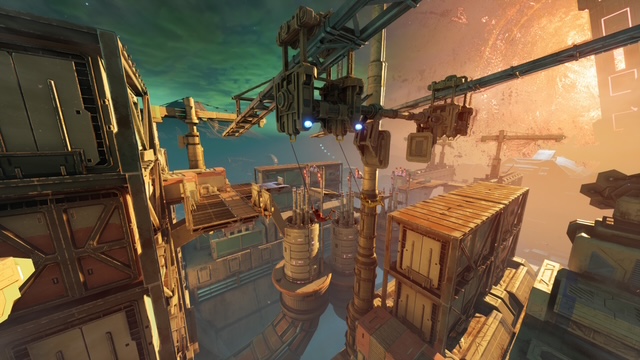
Visually, Split Fiction is a gorgeous game. The details in both the environments and the story are incredible. The world shifts from sci-fi architecture and space battles to surreal landscapes with dragons, fairies, and magic. The graphics and design of the game changes depending on what story you’re playing through, but it never feels unnecessary or out of place. There was one side story that takes place inside the pages of a journal being written that was especially entertaining and unique. I also adore how many other game references the developers sprinkle throughout. I’ve seen nods to games ranging from Dark Souls, to Sonic the Hedgehog, to Unchained, and more. One of our favorite parts about playing through the game was just trying to spot all the different easter eggs hidden away. That’s not to say that the game isn’t unique and exciting all on its own. In fact, during an interview with Microsoft, the director of Hazelight, Josef Fares, insisted that people play the game to the ending saying, “You’ll see stuff that you haven’t seen in a video game.”
The dialogue and the storylines vary from funny and witty, to emotional and devastating. The voice acting is very well-done, and the music fits the game well and aids in giving us that sweeping grand feeling, though I wouldn’t say it was particularly memorable. Everything in the game feels specific and purposeful, which fits Hazelight’s overall style. When he’s not making video games, Josef Fares is actually a film director, which makes sense when you play through the game, and you feel how snappy the pacing is and how well it all flows together.
Should You Play Split Fiction with Your Partner?
I absolutely recommend the game to anyone that’s into narrative—driven games, puzzle-solving, and a feeling of cooperation, teamwork, with a dash of chaos. In my opinion, the best co-op games are more than a cooking simulator or a split-screen puzzle, they promote good communication and a sense of working as a team. Split Fiction nails it in this regard. The game is built on a mutual sense of dependency on each other, you literally can’t progress in the game without the other. While you don’t have to play the game with a romantic partner, I would recommend playing with someone you’re close with. Just remember, your experience hinges entirely on the dynamic that you bring into it. I will admit that the game will not be suitable for everyone. If you like to work through problems on your own, or if you tend to prefer fast-paced combat games, then Split Fiction’s story-heavy cooperative style may not be for you.
Player Two Approved
It took us around 15 hours in total to finish the game, which was broken up over the course of a week. Split Fiction is the kind of game that reminds you why true cooperative games should be more common, not just for the laughs, tears, or challenges, but for those moments where you sync up to someone in a way that promotes true collaboration and a sense of connection.
Split Fiction is officially player two approved.