It’s no secret that the gaming industry has always had some struggles with diverse representation, both in and out of game. While there’s still plenty of progress to be made, we’re finally starting to see more and more game characters who reflect the true diversity of the players actually playing these games. These seven characters aren’t just “tokens” or background characters, they’re the main protagonists, the stars of their own stories. They bring new voices, identities, and perspectives to the surface. Whether you’re looking for a fresh and unique narrative, or a hero who feels a little more like you, here are some of my favorite diverse main characters from the last five years.
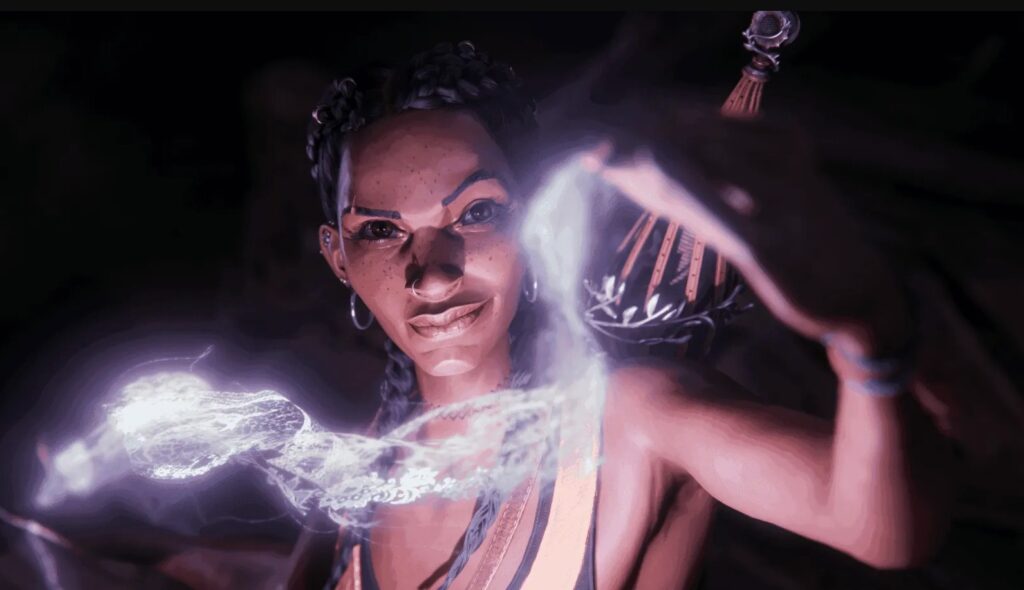
Hazel – South of Midnight (2025) (Xbox X|S & PC)
Hazel is the heart and soul of the newest game on our list, South of Midnight, a gothic third person action-adventure game set in the American Deep South. As a young Black woman navigating a world overflowing with dark folklore and magic, Hazel brings rich culture and grounded strength to this fantastical coming-of-age adventure. The game’s moody art style and rich storytelling promise to make Hazel one of the top protagonists of 2025, and a fantastic addition to the growing list of Black female leads in gaming.
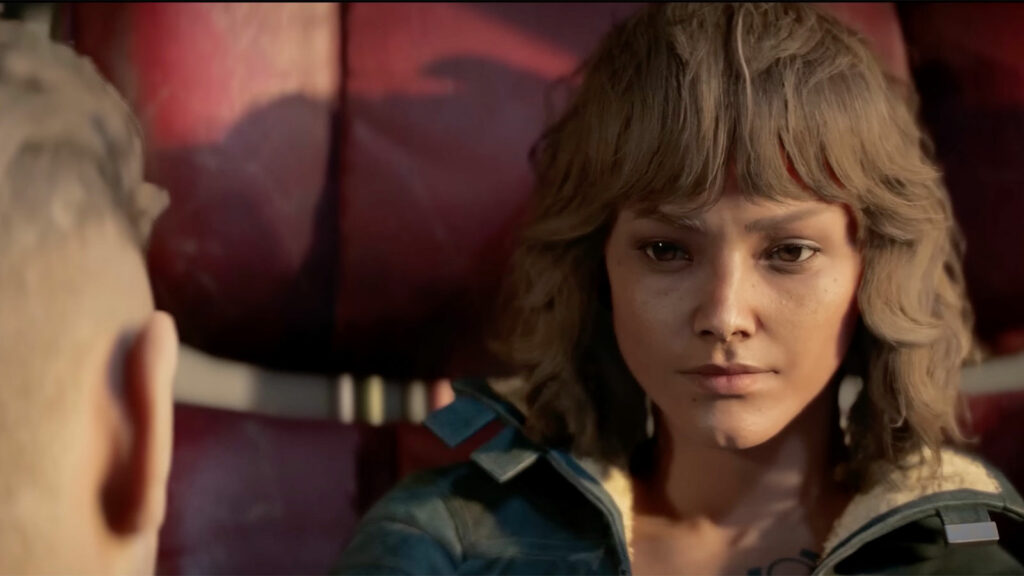
Kay Vess – Star Wars Outlaws (2024) (Xbox X|S, PS5, & PC)
Voiced by Venezuelan Canadian actress Humberly González, Kay Vess is the galaxy’s newest lovable scoundrel, pirate, and thief. In Star Wars Outlaws, Kay isn’t a force user or the special “chosen one” of the story, she’s simply a scrappy outlaw just trying to survive. It’s refreshing to see a non-force user and a woman lead the way in a major franchise game. As a character, Kay embodies themes of hope and resiliency. When we pair that with her charm, grit, and morally grey choices, she brings a fun modern twist to the galaxy far, far away.
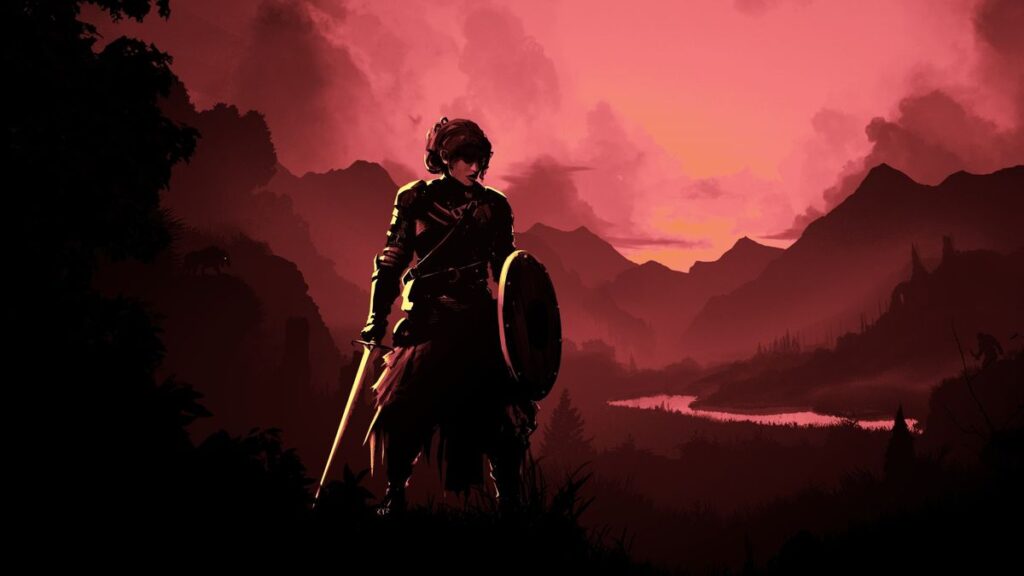
Alexandra – The Vale: Shadow of the Crown (2021) (Xbox, PlayStation, Nintendo Switch, & PC)
In one of the most innovative games to ever exist, we play as Alexandra, a blind princess who has been shipped off to become the warden of a small castle on the outskirts of the kingdom. En route to the castle, Alexandra’s convoy is attacked by an invading army, and she must learn to survive, fight, and find allies along the way. The Vale: Shadow of the Crown is an audio-only game that focuses not only on a disabled protagonist, but on the lived experience of the disability. The game uses immersive sound design and descriptive narration to create a vivid world that will reveal startling truths about the kingdom and its people. Alexandra’s journey is the perfect example of an inclusive perspective, proving that great storytelling and accessibility can work together to create unique and inclusive gameplay.
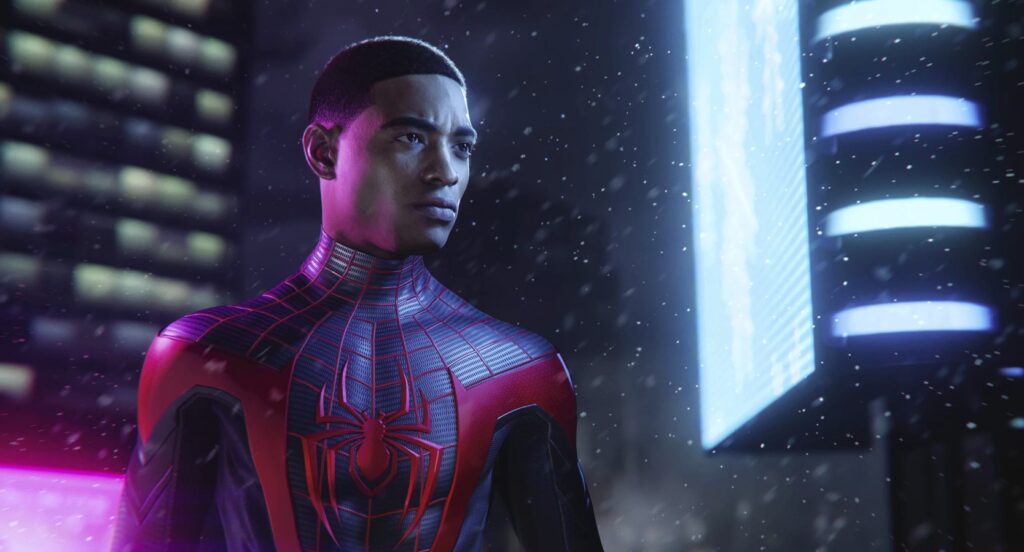
Miles Morales – Spider-Man: Miles Morales (2020) (PlayStation & PC)
In this standalone adventure in the Spider-Man universe, teenager Miles Morales isn’t just Peter Parker’s mentee, he’s his own Spider-Man with his own voice, culture, and community. Afro-Latino, bilingual, and deeply tied to his Harlem roots, Miles stands out in a version of New York that’s just as diverse as he is. While the game controls similarly to previous titles, Miles Morales has his own set of powers and gadgets that set him apart from his mentor. In the game, Miles may be struggling to balance out his new role as Spider-Man, but his character isn’t just wearing someone else’s suit, he’s redefining what a hero can look like for the next generation.

Tyler Ronan – Tell Me Why (2020) (Xbox & PC)
Tyler Ronan holds the distinction of being the first transgender protagonist in a major studio game. Developed by the same creators as the Life is Strange series, and in collaboration with GLAAD, Tell Me Why, is an episodic adventure game that follows Tyler and his twin sister Alyson as they find each other after years of separation. Voiced by trans actor August Aiden Black, Tyler’s journey isn’t just about being trans, it’s about being human. The game handles his identity with authenticity and careful reflection, grounding his storyline in family, memories, and finally healing. Typer’s portrayal is an important milestone in the industry and shows how mainstream games can portray LGBTQ+ characters with depth and thought.
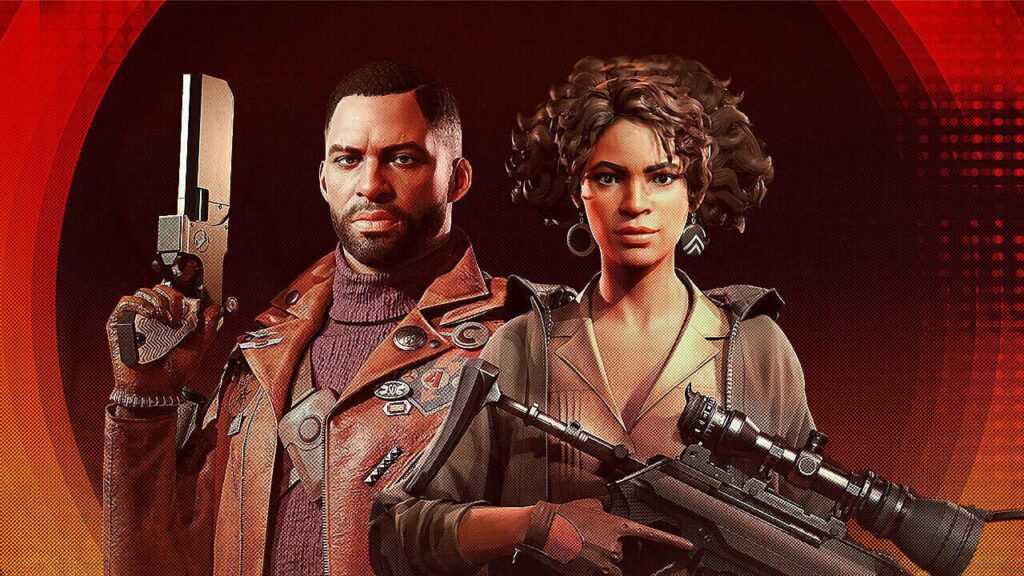
Colt and Julianna – Deathloop (2021) (Xbox, PS5, and PC)
In a unique take on the hero-villain dynamic, Deathloop gives us not only one, but two fantastic Black leads in Colt and Julianna, two extraordinary assassins stuck in a timeloop. Colt, the game’s main protagonist, awakens on the island of Blackreef, doomed to repeat the same day over and over unless he can eliminate all his targets and break the loop. Julianna, the main antagonist and a playable character in multiplayer, wants to preserve the time loop and ruthlessly hunts Colt down to torment and kill him. The two characters are both deeply complex and have great chemistry and banter together. Their dynamic adds depth, charm, and a refreshing layer of representation to a genre that rarely features marginalized protagonists.
These seven protagonists are more than just some pixels on a screen, more than just video game characters. They show how far the gaming industry has come to actually reflecting the world that we live in. If these characters are anything to go by, I’m very excited to see what the future of representation in games looks like. When we see ourselves reflected in the stories we consume, the experience becomes that much more powerful, and that much more worth fighting for.