If you’re anything like me and have cried during an emotional cut scene or felt oddly called out by a game’s narrative, then you already know that games aren’t just about winning or entertaining. Sometimes it’s about the game being an emotional playground of sorts, a space where identity, pain, and healing work together to unravel the game’s story in a unique and beautiful way.
Mental health struggles can be a difficult thing to talk about; let alone something you expect to encounter in a game. But, over the last several years, indie games especially have quietly become one of the most powerful spaces for exploring mental health and well-being in gaming. There are games about panic attacks, grief, anxiety, depression, burnout, and beyond. These games don’t always offer healing, or a solution to the struggle. Instead, they give us permission to feel like a mess, to sit in our discomfort and uncertainty, and to face those hard things in a low-risk format.
Whether you’re in need of a little comfort, relief, understanding, or just a good cry, here are my top 5 indie games that understand the weight of mental illness and let us explore it together.
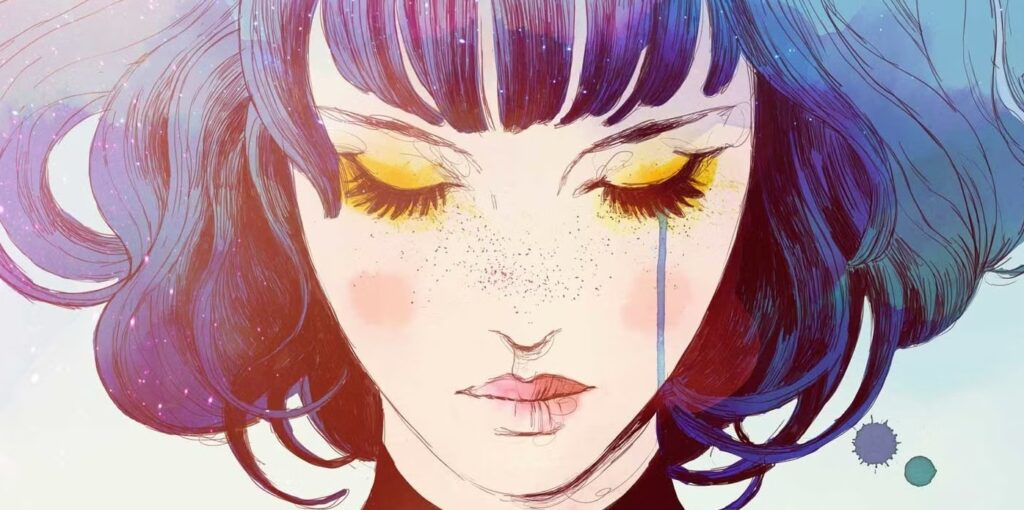
Gris (2018) (PlayStation, Nintendo Switch, PC, IOS)
Gris is the first game on our list that explores mental health, in this instance it explores intense grief. You play as a young voiceless woman in a crumbling, colorless world. As you progress, the environment slowly rebuilds itself, reflecting each of the five stages of grief. There is no combat, no death, no dialogue. Just movement, music, and the quiet pain of healing. What stands out the most to me is how well it uses visual and sound design to tell the story without words. The game gives you space to feel the grief as you move through the game, but on your own terms, it doesn’t force you to feel. I think this is the perfect starting game for those interested in emotionally driven gameplay. It’s gentle and forgiving, reminding us that healing is sometimes as simple as finding your voice again or color finding its way back to the world.
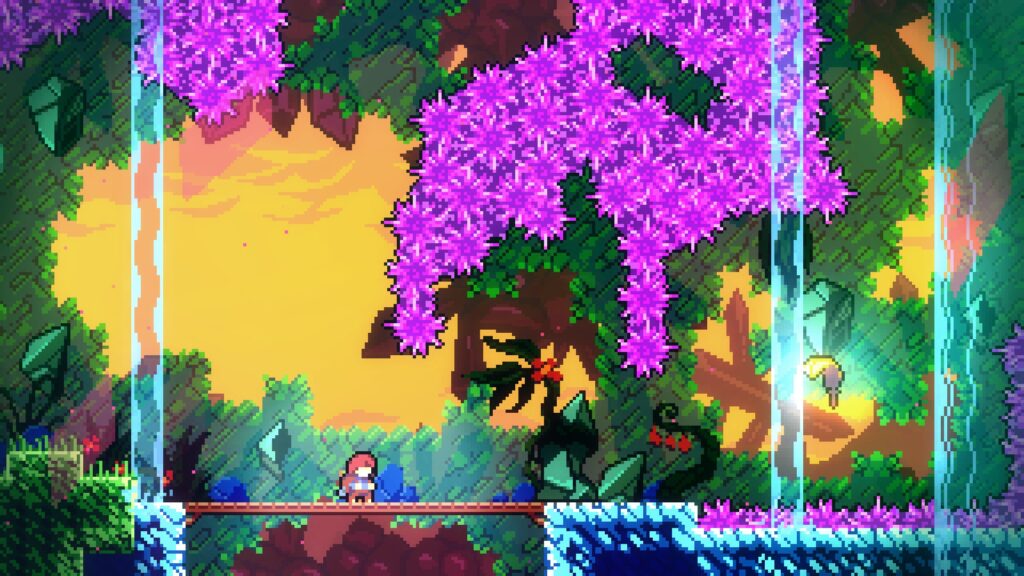
Celeste (2018) (Xbox, PlayStation, Nintendo Switch, PC)
On its surface, Celeste is about a journey to climb a mountain. You play as Madeline, a young transwoman who is determined to summit Celeste Mountain, all the while battling physical manifestations of her self-doubt, anxiety, and depression. This game is a tough platformer and can absolutely be a frustrating game. But, in a way, that’s kind of the point. Every death is a lesson in resilience and overcoming one’s demons. Every rare moment of respite is an emotional release. Just like real life, Madeline’s journey doesn’t end with “fixing herself,” it ends with accepting every part of who she is, self-doubt and all.
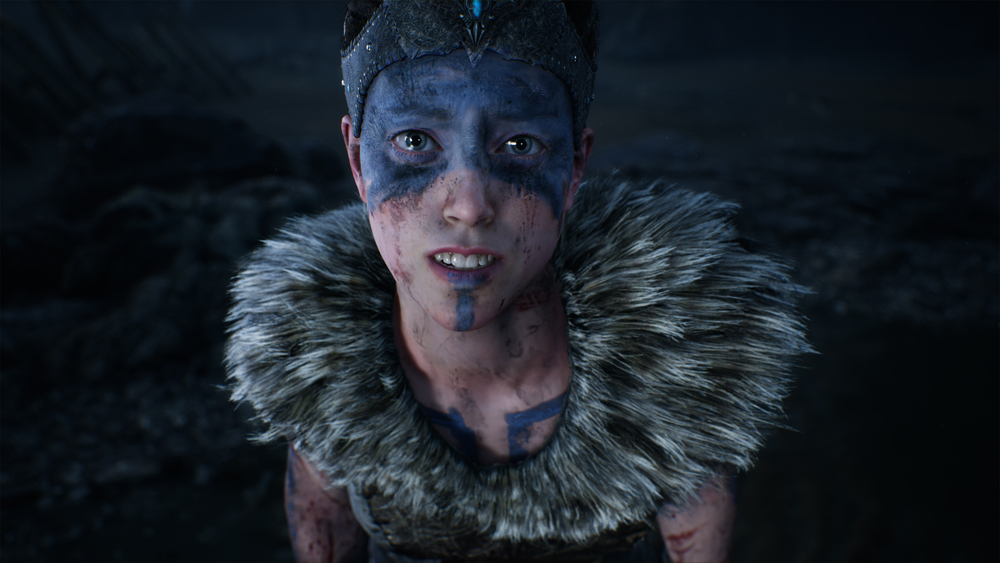
Hellblade: Senua’s Sacrifice (2017) (Xbox X|S, PC)
Hellblade is likely one of the most important video games exploring mental health that exists today. You play as Senua, a Pict warrior on a haunting journey to the Norse underworld, Hel, to rescue the soul of her lover. But the real journey is in Senua’s mind as she battles schizophrenia and psychosis. This is a game that treats mental illness with the true respect and openness that it deserves. The developer behind the game, Ninja Theory, worked closely with neuroscientists and people with lived experience of psychosis to capture Senua’s reality as authentically as possible. The result is immersive, disorienting, and unsettling. One of the most remarkable things about the game is how it doesn’t try to simplify schizophrenia. Senua is a strong but vulnerable character that isn’t simply reduced to her condition.
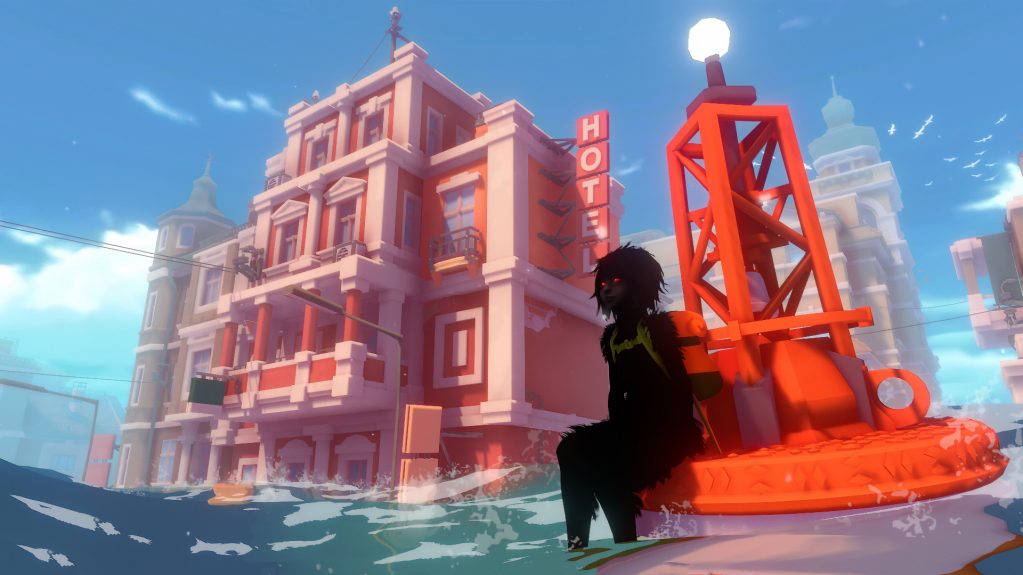
Sea of Solitude (2019) (PlayStation, Xbox, PC)
In Sea of Solitude, loneliness is more than just a feeling, it’s a physical monster that stalks your every move as you explore the ruins of a flooded world. You play as Kay, a young woman whose overwhelming emotions have turned her into a feathered shadowy creature. As Kay explores the submerged city, she encounters other monsters, usually representing someone else in her life struggling with their own mental battles. With each encounter, Kay slowly unravels her inner turmoil and journeys toward understanding and healing. What makes this game extra powerful is that it’s based on the emotions of its designer, Cornelia Geppert, who poured her own struggles with loneliness into Kay’s journey. The game isn’t about trying to cure Kay of the shadowy creature she has become, but instead it’s more about recognizing that we all have a piece of that inside and it’s okay.
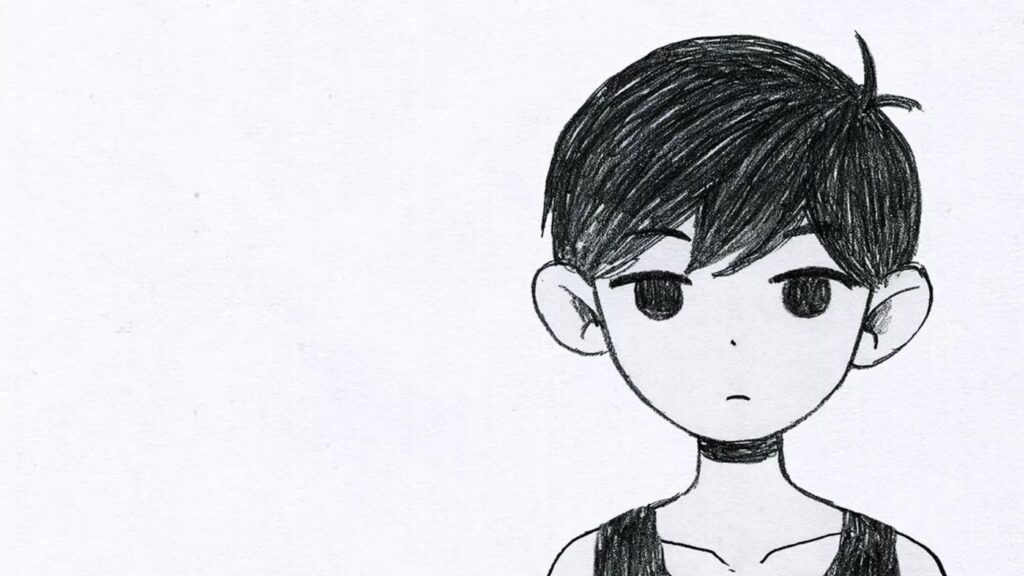
Omori (2020) (Xbox, PlayStation, Nintendo Switch, PC)
Omori is a turn-based RPG that blends pastel whimsy with psychological horror. The game explores themes of depression, trauma, and dissociation. You play as Omori, a silent protagonist as he navigates through different worlds created from his own trauma. As you explore, you find out that Omori is actually a kid named Sunny in the real world who has been isolated in his room for years due to the trauma of losing his older sister Mari. The game shifts between the two points of view and uses its mechanics to simulate things like anxiety and panic attacks. Omori is a difficult game to play emotionally, but it’s one that sticks around long after you finish it. The game explores the connection between childhood innocence and trauma better than any other game I’ve ever played.
These five indie games don’t just include mental health as a theme, they put it on full display, and they do it at the time when it’s needed the most. The National Institute of Mental Health estimates that more than one in five adults in the U.S. live with a mental illness. Conversations around burnout, anxiety, and grief are starting to finally be taken more seriously, both in and out of games.
If you’re anything like me and seek out stories that go deeper, that actually make you feel something, these are absolutely worth playing. These games don’t offer simple solutions or wrap things up in a neat little bow. Instead, they let us sit with the hard emotions in a low risk but meaningful way. They won’t fix us, but they can help us feel a little less alone while we try to do that work ourselves.