Every once in a while, a game comes along that doesn’t just tell us a story but one that one feels like an old memory once experienced or heard as a child. For me, that’s exactly what South of Midnight captures. The game is a third-person action-adventure game with a whimsical Southern gothic style and a whole lot of soul. The game blends folklore, magic, and culture from the American South into a fantastic, though eerie, narrative. More than that, it brings something fresh and unexpected to the genre with its portrayal of authentic Black Southern representation and a charming heroine possessing great power.
The Setting
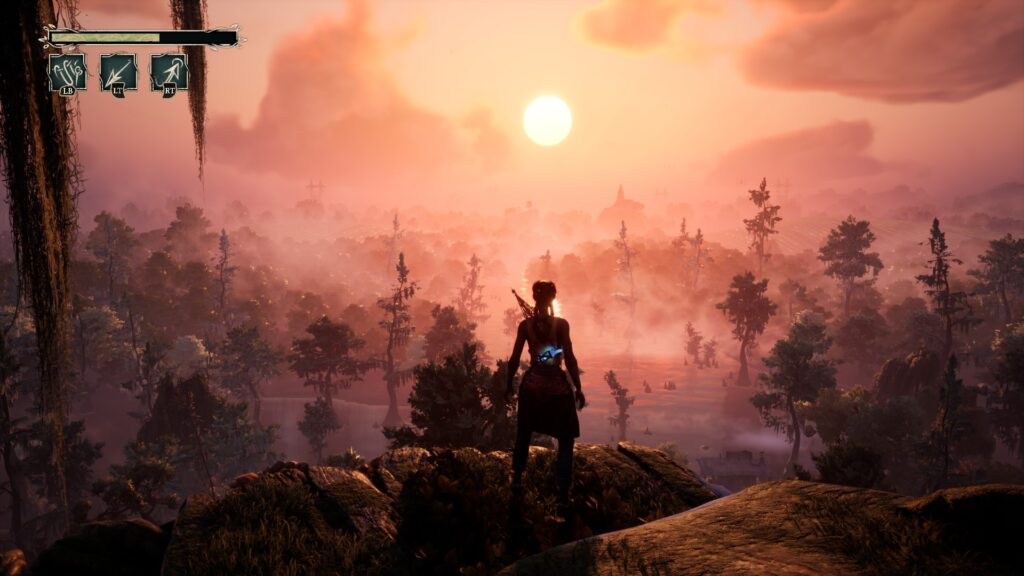
Let’s face it, most games set in the American South typically miss the mark. It’s so often either a post-apocalyptic wasteland or an almost satirical take on rural living. It’s rare for a game to nail regional specificity this well without defaulting to parody or stereotype. South of Midnight gets rid of all of that and instead paints the South as a living, breathing place overflowing with myth, grief, and ancient power. As someone who has always been drawn to stories set in places with history and grit, this game’s setting had me hooked from intro cinematic.
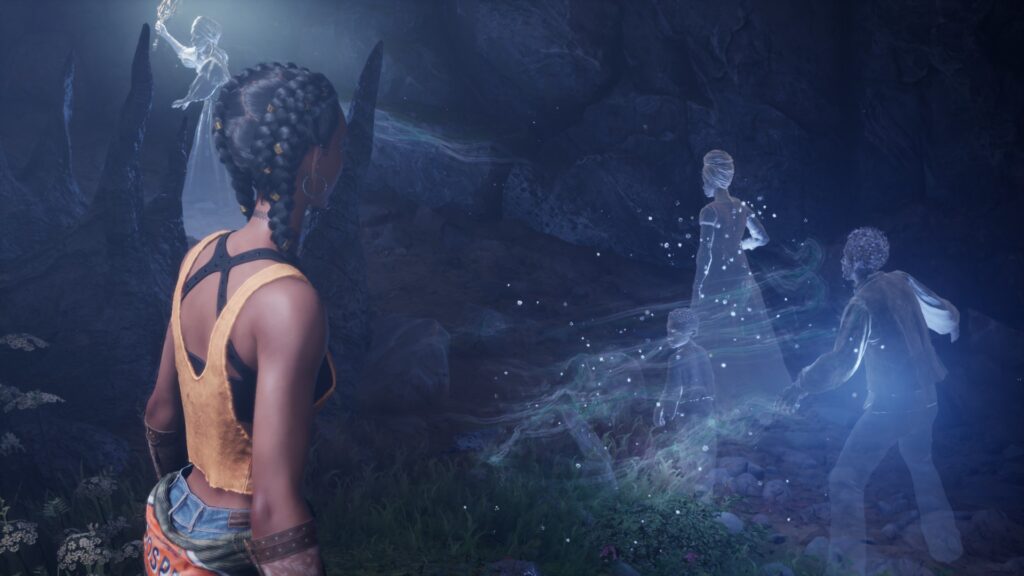
The environment is lush with foliage, moss, and critters of all sizes. The art style is gorgeously stylized without being overly cartoonish. It’s almost like walking through a living painting, with colors that feel like dusk stretching into the night. The gameplay mechanics themselves are extremely familiar and normal for the genre. We have third-person exploration, a bit of parkour, magic-infused combat, and puzzle-solving.
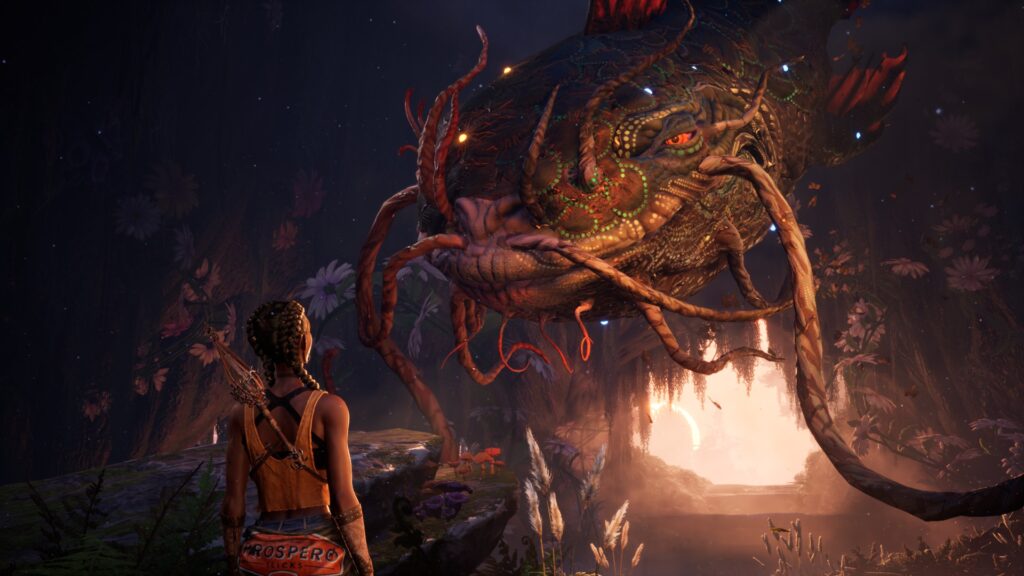
What really sets these mechanics apart is how grounded they feel in the world’s logic and setting. The puzzles, monster design, everything feels so natural. This isn’t just fantasy for the sake of it. Every creature, spell, and strange encounter truly feels like it came out of a folktale that’s been passed down for generations. South of Midnight draws heavily from Southern Gothic and Afrofuturist influences but it never feels like it’s borrowing just for sake of them. This is a story where the culture is the true narrative.
The Protagonist
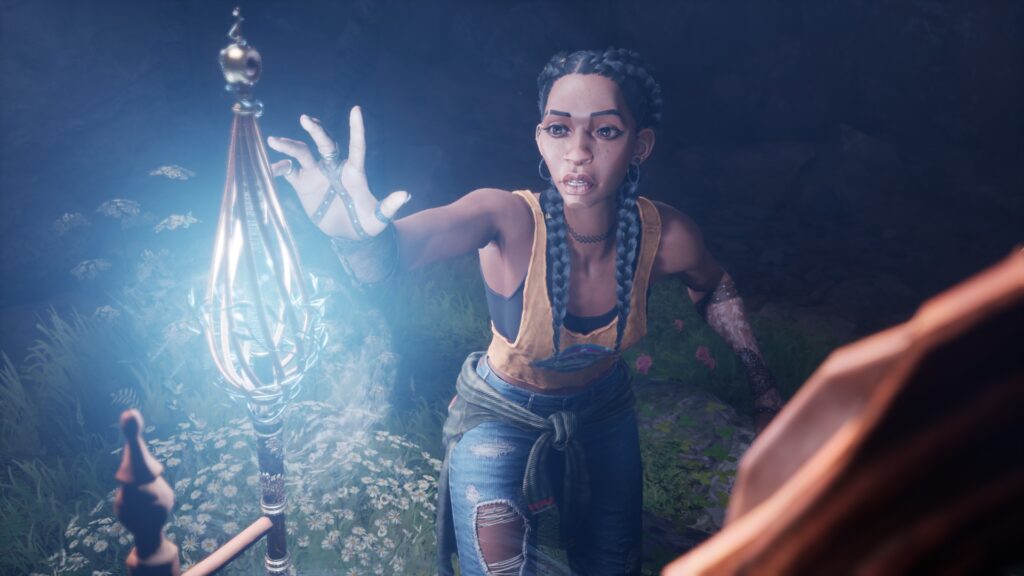
From the very moment you meet Hazel, the game’s protagonist, there’s something immediately refreshing about her. She’s not a sidekick, a stereotype, or an afterthought. She’s complicated, genuine, witty, grounded, and curious. More than that, she’s rooted in a complex narrative that blends a modern Southern landscape with the deep folklore and magic of the South.
Hazel isn’t a token character dropped into a generic fantasy setting. The magic she uses, the monsters she faces, and the people she meets are heavily influenced by Black Southern folklore and legend. Hazel’s journey is personal and generational. You can feel the vast heritage, history, and ancestral power dictating every encounter, every action.
More often than not, representation in gaming fails when it simply treats identity as a box to check. South of Midnight gets this right by allowing Hazel to just be who she is, a strong and independent young woman. She jokes, she struggles, she talks back, she makes mistakes, and she owns them. It’s a rare and beautiful representation of character, making her character unforgettable.
The Story
Hazel’s journey is about much more than just defeating a big bad enemy. It’s not about saving the world in the traditional way, it’s about repairing something that’s been broken for a very long time. Her journey is more about healing, both for herself and the land she’s tied to.
The game handles themes of loss, heritage, and transformation in ways that feel authentic and realistic. There are no forced tearjerker moments or overly exaggerated drama. It’s a much quieter epic journey, one that relies on you to explore, piecing together fragments of stories left behind, walking the journey that others have taken before.
The most powerful moments throughout the game are small and can be easy to miss if you’re not really paying attention. Things like, a conversation with a spectral ancestor that reveals a long-buried truth, the rediscovery of a family heirloom, the solving of an old local disappearance. These moments are subtle, but in some ways, that’s why they are so powerful.
Where South of Midnight Fell Short
As much as South of Midnight won me over with its heart and atmosphere, it’s not without its flaws. The pacing can feel uneven at times. For example, there will be moments of intense emotional narrative and then you can go long stretches with much slower and less engaging exploration and combat. There were times when I found myself wishing for a little more urgency and momentum to match with the intense narrative.
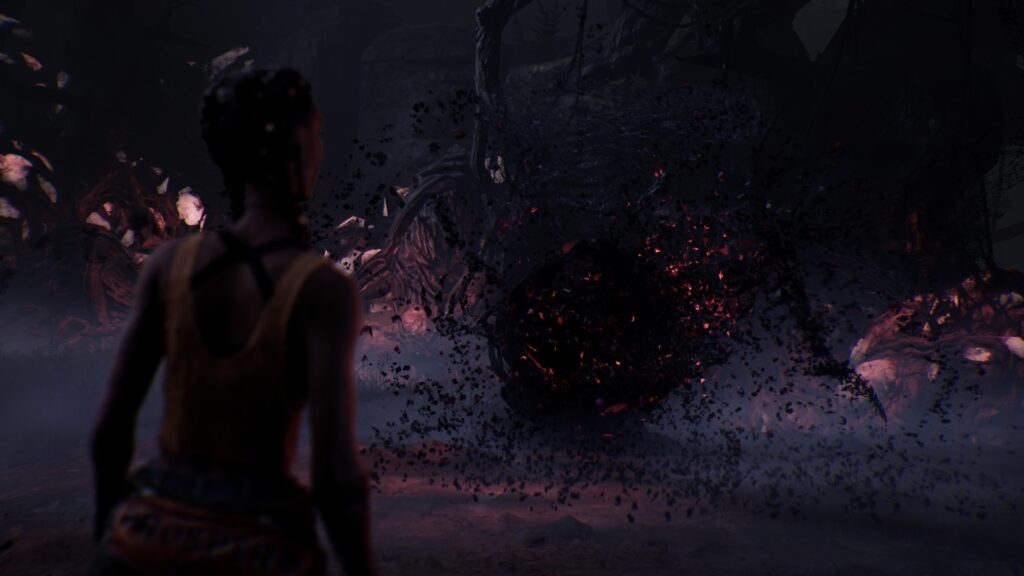
Combat, while fun, feels clunky at times and gets super repetitive after the first couple of hours into the game. Combat itself is contained to distinct areas, so you never have to worry about random fight encounters. The magic and spells are visually beautiful and fun to play with, but after a while I found myself wanting for a few more mechanics and variation in enemy types to keep the game fresh and less monotonous.
The game itself is incredibly linear and separated into chapters. While some might find this to be a flaw, I think it’s actually a great design choice to highlight the game’s focus on the story. With that said, it can be a bit jarring at times to transition from the gameplay to the storybook style narration. While I did love the game, it is rough around the corners at times. Honestly though, because of the rich narrative, I’m willing to look past a few bumps in the road.
Final Thoughts
If you’re looking for a game narrative that’s filled with myth and folklore, a little bit of action, a little bit of puzzle-solving, and a ton of heart, then South of Midnight might be perfect for you. It’s definitely messy in places, but it’s also raw, rich, and hard to forget.
It was great to see a more accurate version of the South that is too often misrepresented. South of Midnight is a unique take on fantasy, and a powerful story about heritage, power, and growing into a better version of yourself. It’s a reminder that fantasy doesn’t have to look the same every time, and that authentic storytelling alone can be powerful enough to carry a narrative.